In high precision industries like automotive, aerospace, and medical devices, component cleanliness is more than a quality checkpoint. It is a critical necessity. Selecting the right cleaning system plays a major role in ensuring compliance, performance, and long-term reliability. At NGCT Cleansys Pvt. Ltd., we are often asked the difference between aqueous and solvent-based cleaning solutions. And the answer? It depends on your needs, part geometry, level of contamination, type of contamination, environmental considerations, and regulatory requirements.
Let us break down the key differences between the two and help you decide which system, best suits your operational needs.
What are aqueous cleaning machines?
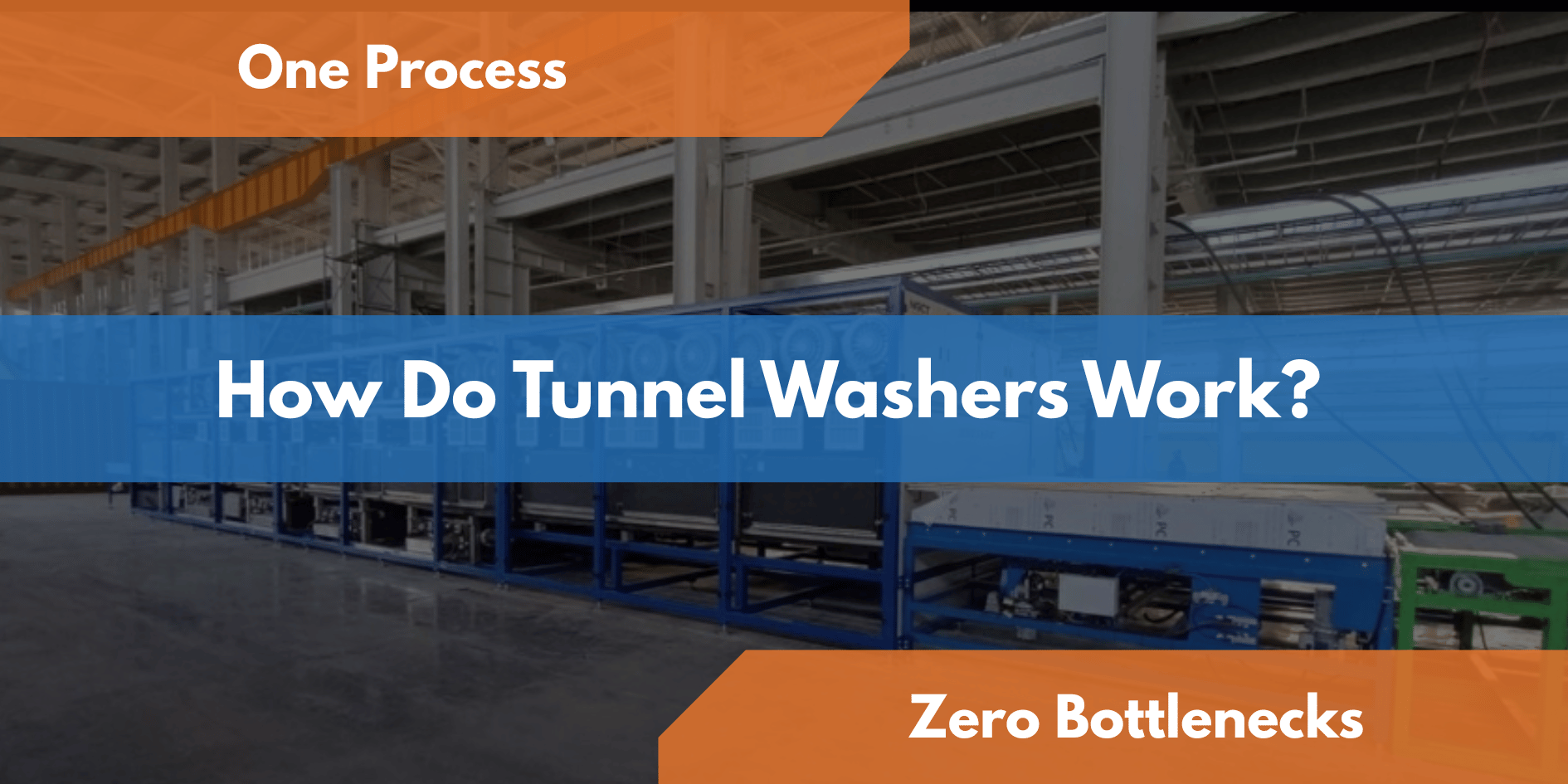
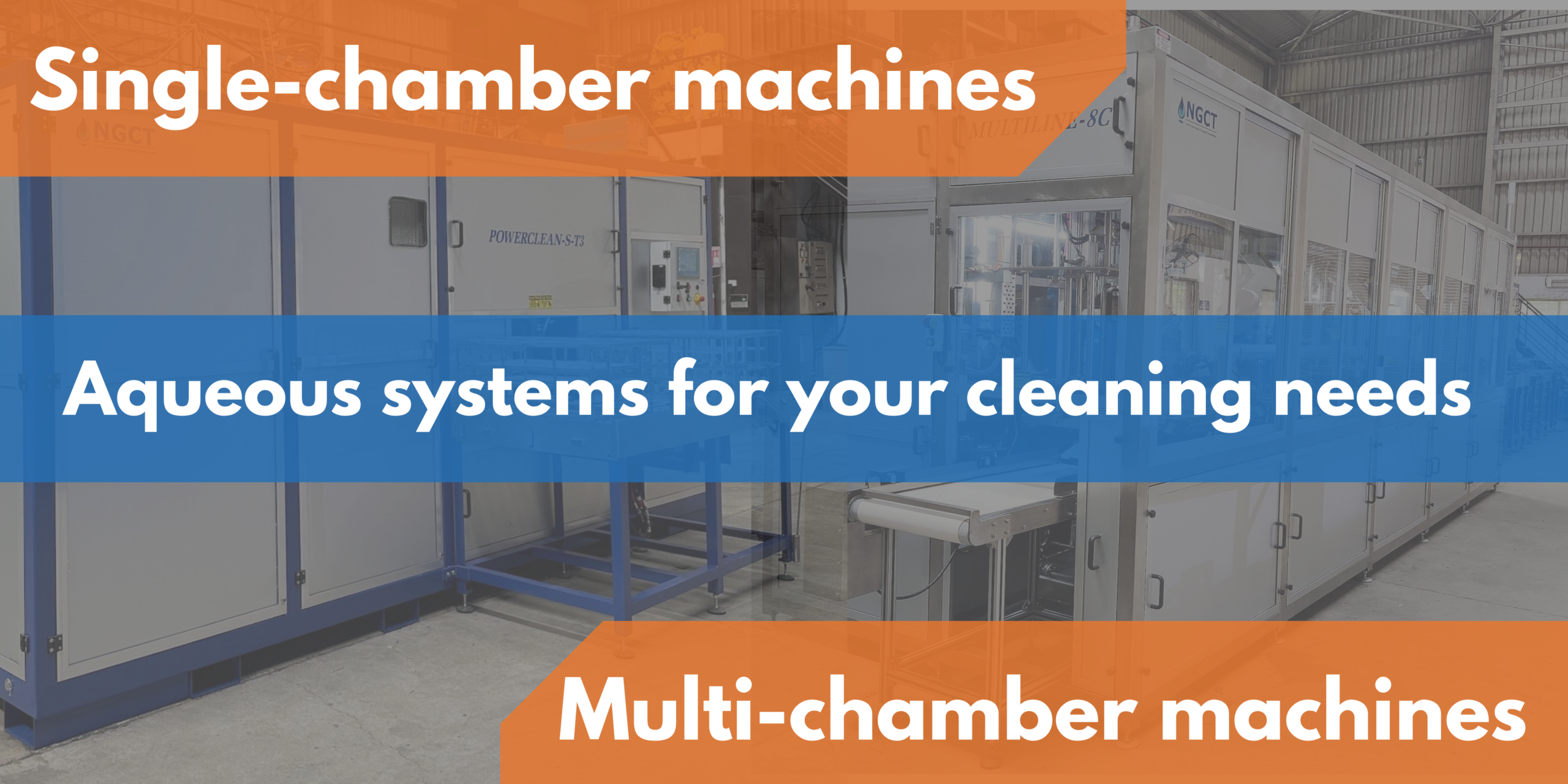
Aqueous cleaning machines utilise water-based solutions, often with detergents or surfactants, to reduce surface tension and remove oils, particulates, polar, and other contaminants. NGCT’s AquaWash, PowerClean, TunnelWash, MultiLine and Mecanofast Series are excellent examples of aqueous systems built for both simple and complex geometries.

Pros
- Water-based systems are more ergonomic and relatively environmentally friendly as they produce fewer hazardous emissions and are easier to dispose of.
- These machines use either a single or a multi-chamber process and handle larger variety of polar contaminations.
- The lack of flammable and toxic materials ensure that the machines are extremely safe for the operator.
What are solvent cleaning machines?
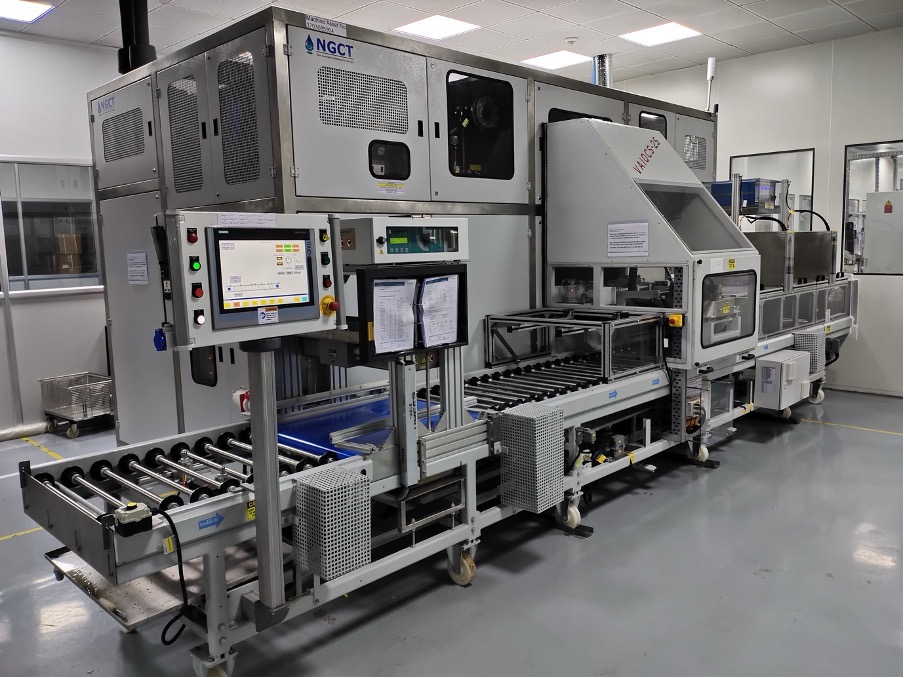
Solvent cleaning machines rely on organic or inorganic solvents to dissolve oils, greases, and contaminants from part surfaces. NGCT’s SOLVACS and VAIOCS systems are state-of-the-art vacuum assisted solvent cleaning solutions designed for industries with stringent cleanliness demands.
Pros
- Solvents possess superior degreasing/dissolving powers as they penetrate and dissolve oils more effectively, especially for dense contaminations.
- These machines operate under vacuum conditions, resulting in negligible emissions released into the environment. They also consume less power and have lower operative costs compared to conventional aqueous systems.
- The vacuum environment further enhances operational safety, making the machines relatively safer to use.
- Most solvents evaporate quickly and have minimal drying time, consequently reducing the need for additional drying equipment.
- Most beneficially, they are compact systems as solvent units require fewer chambers or stages.
So how can you decide what fits your needs the best?
Consider asking yourself the following questions when you are trying to decide which machine suits your needs the best:
What is the contaminant?
For water-soluble particles or light oils, aqueous cleaning machines are the right fit. For heavy-grease, neat oils, wax, or particulate-laden components, solvent machines are the better option.
Is your material sensitive?
Some metal surfaces react with water. In this case solvent-based machines offer better protection.
Are there any regulatory requirements?
Industries like medical and aerospace often have solvent cleaning standards, while others may favour water-based for sustainability.
What are your sustainability goals?
If your company prioritises eco-friendliness, an aqueous system will help reduce environmental impact.
How complex is the part you want to clean?
Solvent systems can reach into narrow channels or blind holes more efficiently.
NGCT’s hybrid and custom solutions
At NGCT Cleansys, we understand that one size doesn’t fit all. That is why we offer custom-built systems that combine the best of both worlds. Our VAICOS technology, for instance, integrates vacuum, solvent, and aqueous cleaning in a single system and offers unmatched performance and flexibility.
Choosing between aqueous and solvent cleaning systems depends on your parts, industry standards, and long-term goals. If you need more insights, our experts at NGCT are here to help you assess your cleaning needs and guide you to the right solution.
Ready to make the clean choice? Contact us today at info@ngctpl.com and schedule a free consultation.