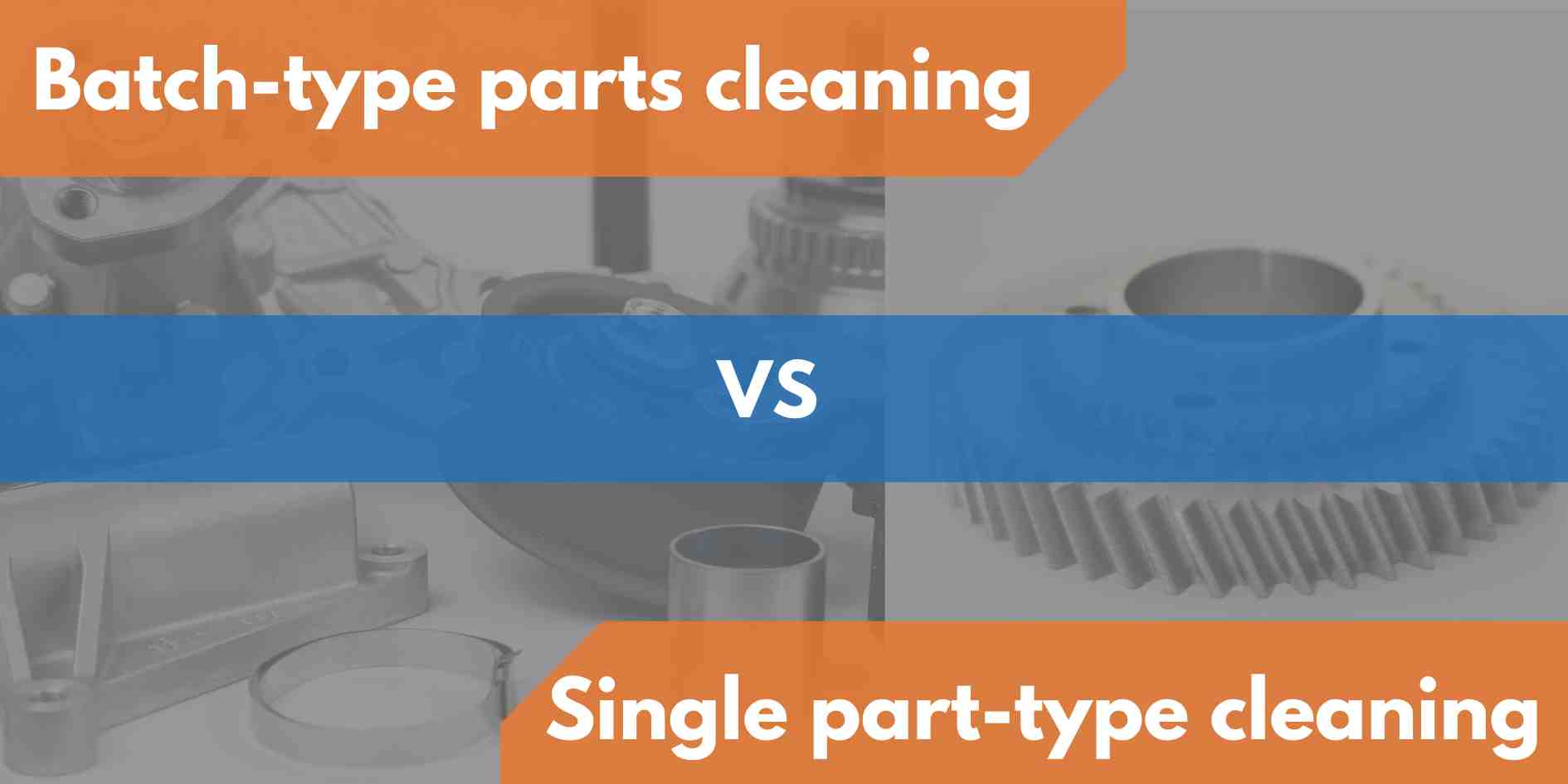

In today’s precision-driven manufacturing environment, parts cleanliness is no longer optional. Whether it is about meeting ISO or VDA cleanliness quality standards, reducing rejections rates, or ensuring long-term component performance, choosing the right parts cleaning process plays a critical role.
Two commonly adopted approaches in industrial parts cleaning are batch-type cleaning and single-part type cleaning processes. While both aim to remove contaminants effectively, their suitability depends on part geometry, production volume, cleanliness requirements, pre &post processes.
This blog breaks down the key differences, advantages, and applications of each process to help manufacturers make informed decisions.
What is Batch-type parts cleaning?
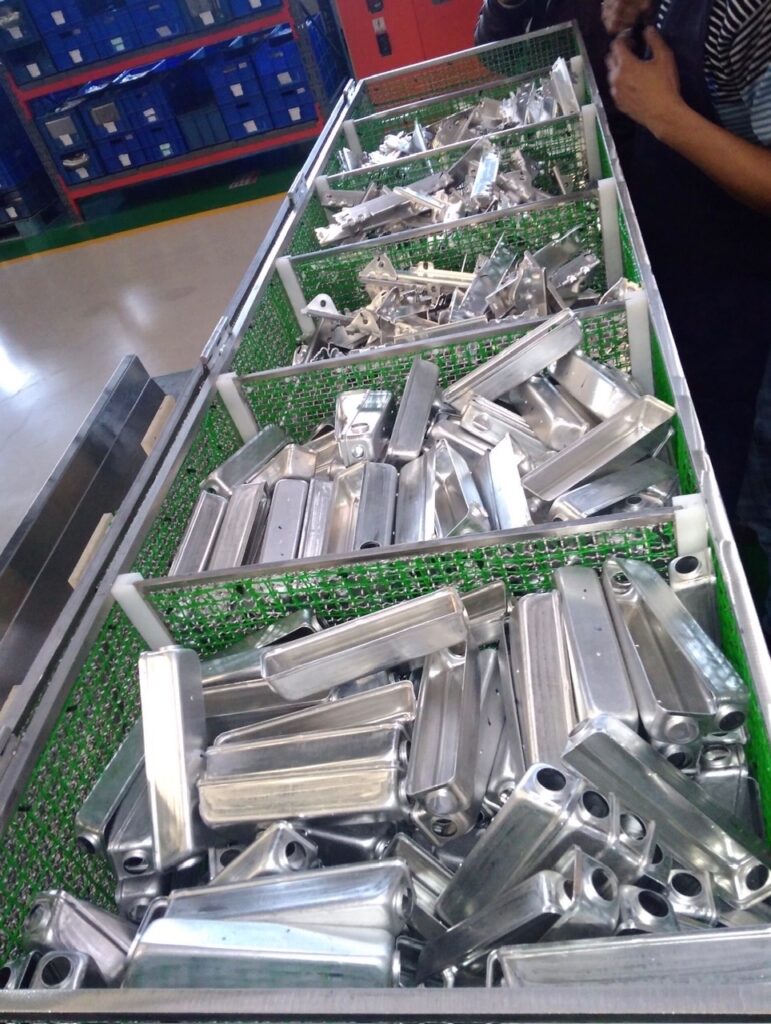
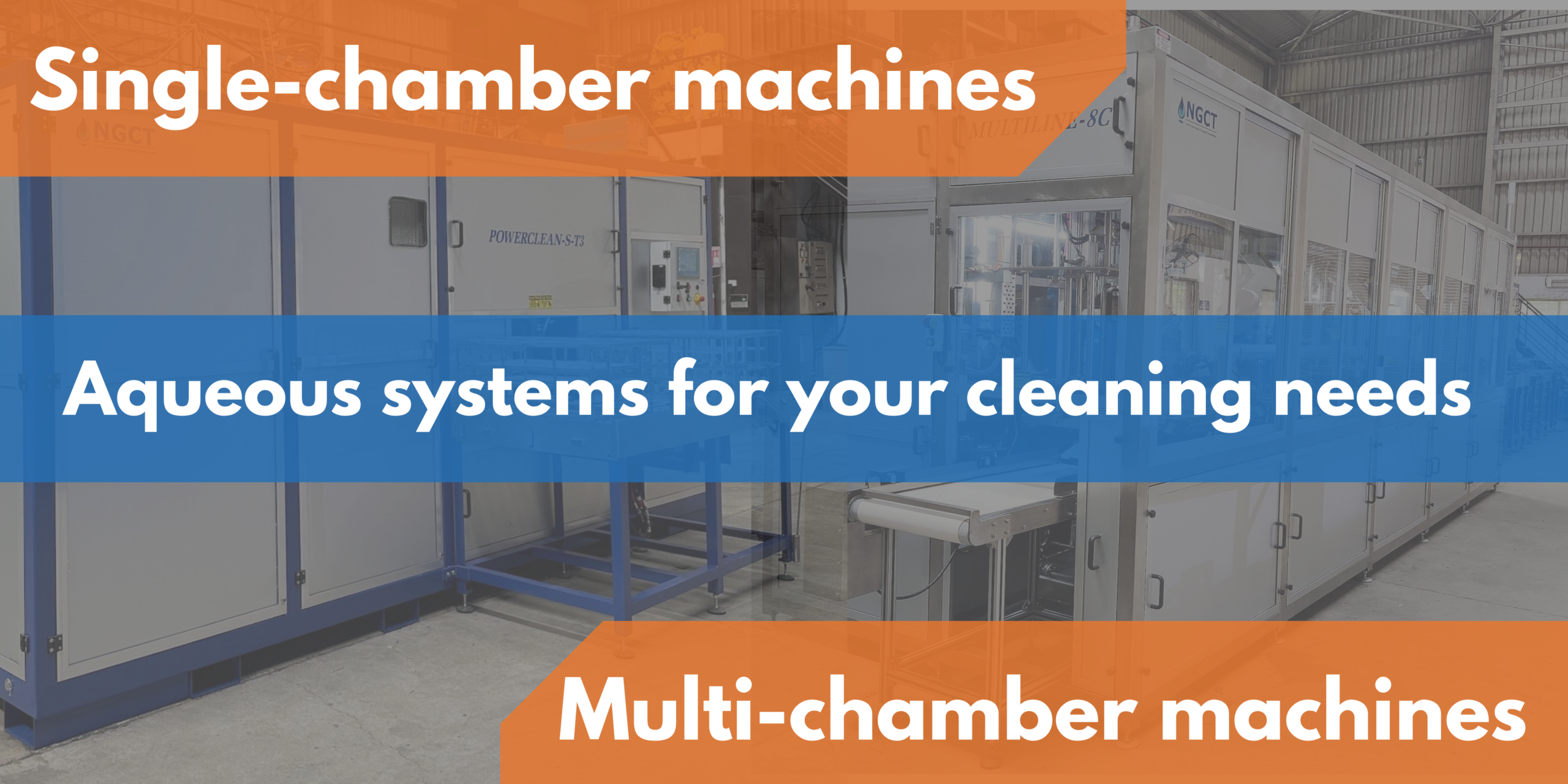
Batch-type parts cleaning involves cleaning Multiple components together in one cleaning cycle. Parts are typically loaded in bulk/Orientated into baskets, trays, or fixtures, and passed through various cleaning stages such as cleaning, rinsing, and drying.
How batch cleaning works:
- Similar parts are grouped based on size, material, and contamination type.
- Components are loaded into baskets or fixtures in bulk or orientated fashion depending on part complexity
- The batch passes through multi-stage cleaning, rinsing and drying processes.
- All parts complete the cycle simultaneously.
Where batch-type cleaning is commonly used:
- Small & Medium size parts
- Medium-to high-volume production environments.
Key Benefits of batch-type cleaning:
- Capable of cleaning many components per cycle, making it suitable for high-volume production environments.
Limitations to consider:
- Complex internal features may experience shadowing.
- Potential for cross-contamination within a batch.
What is Single-Part type cleaning?
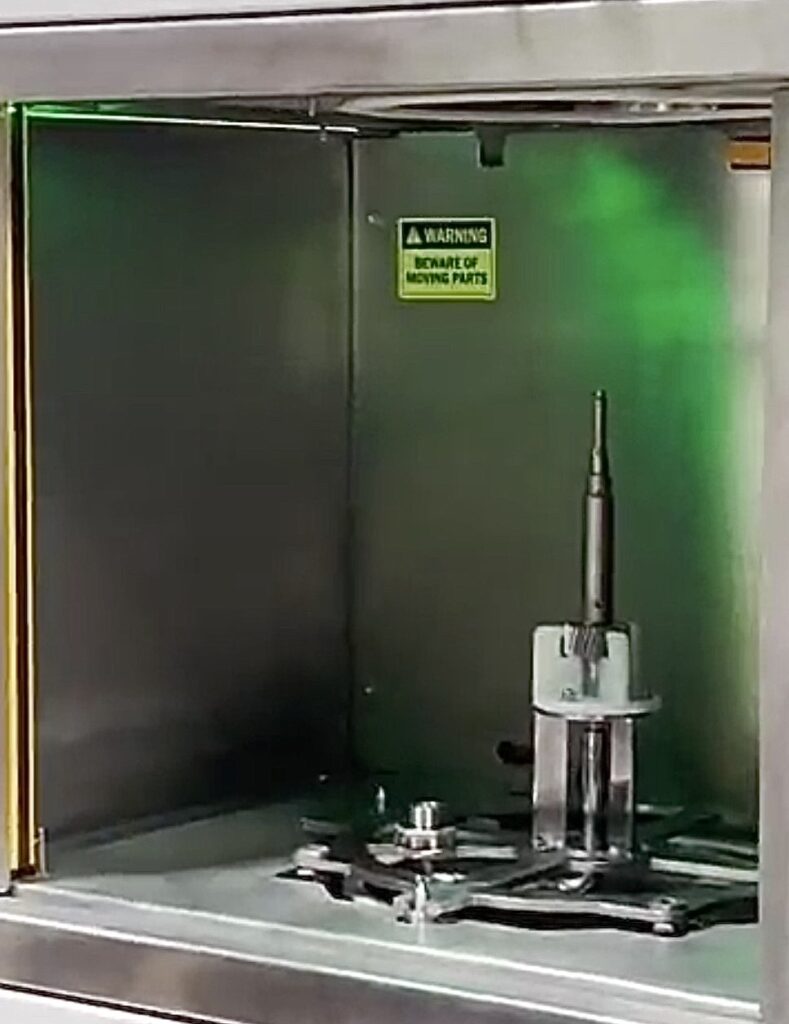
Single-Part type cleaning focuses on cleaning one component or one part type at a time, using dedicated fixtures, spray nozzles and tightly controlled parameters. This method is designed for applications where precision and consistency are critical.
How single part-type cleaning works:
- Each part is individually positioned or fixtured.
- Cleaning parameters are optimised for specific geometry.
- Targeted cleaning ensures deep access to internal passages.
- Often integrated in line with machining or assembly processes.
Key benefits of single part -type cleaning:
- Extremely high and repeatable cleanliness levels.
- Better access to hollow cylindrical internal geometries and blind/through holes.
- Minimal risk of cross-contamination.
Limitations to consider:
- Better for cylindrical parts
- Lower output compared to batch cleaning.
- Requires precise automation and customised fixturing/tooling.
Combination and Custom Cleaning Solutions
Many manufacturers today adopt hybrid both cleaning strategies, combining the strengths of both processes depending on the part and its cleanliness requirements.
- Batch cleaning for bulk pre-cleaning followed by Single part-type cleaning for final precision stages or even vice versa
Custom-engineered cleaning systems allow manufacturers to balance throughput, cleanliness, and cost while meeting industry-specific standards.
Conclusion
Both batch-type and single-type parts cleaning processes have a vital role in modern manufacturing. The right choice depends on component design, cleanliness targets, production volume, and regulatory requirements.
By selecting the appropriate cleaning process, manufacturers can:
- Achieve compliance with ISO 16232 and VDA 19 cleanliness quality standards
- Reduce rejection rates
- Improve component performance
- Optimise overall production efficiency
At NGCT, cleaning systems are designed with these factors in mind, ensuring reliable, repeatable, and application-specific complete cleaning solutions.