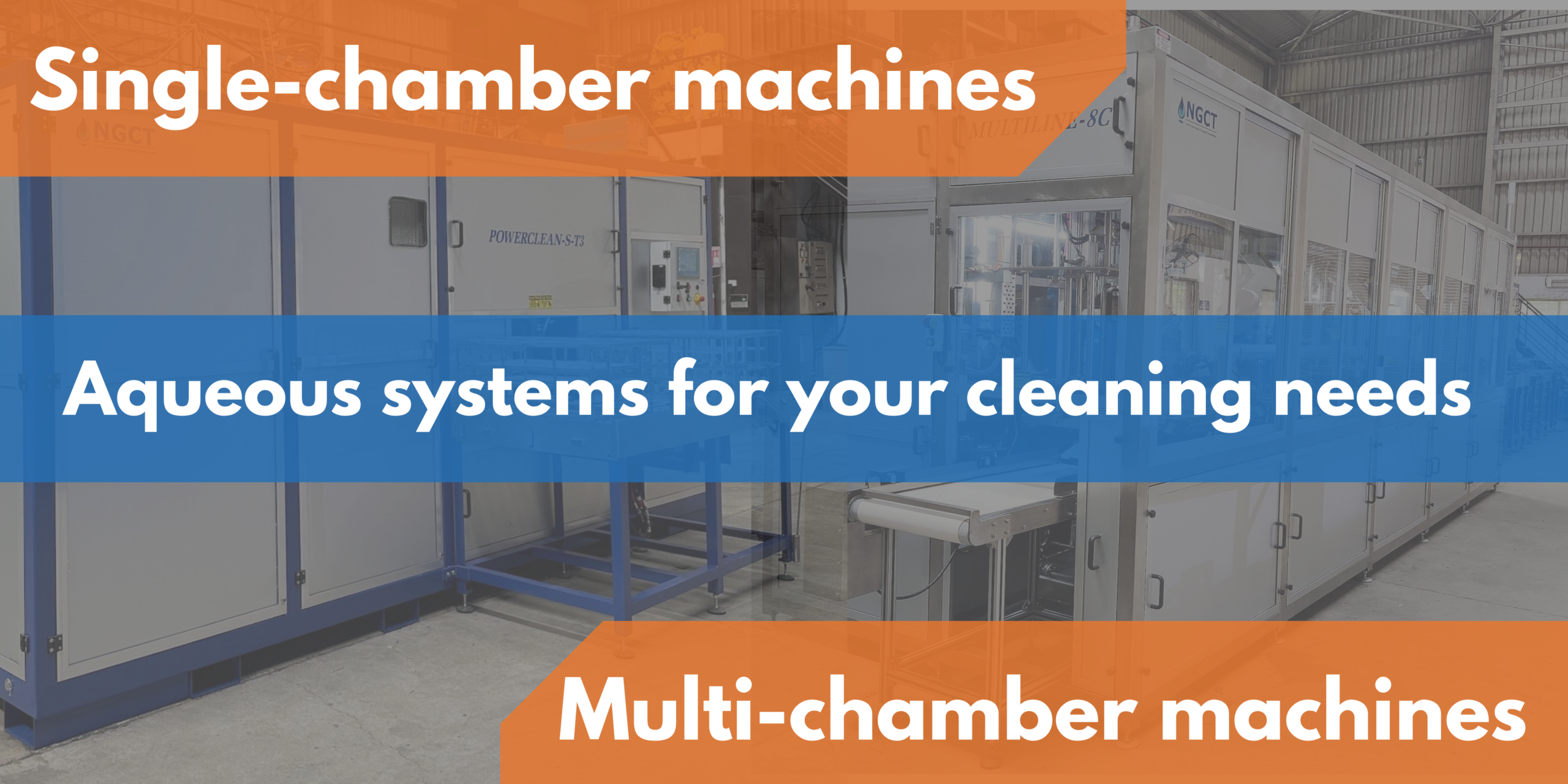

In the world of industrial parts cleaning, precision matters. Choosing the right aqueous cleaning system helps in achieving cleanliness outcomes, throughput, operating costs, and productivity. Two main types of multi-process machines dominate the industry, single-chamber and multi-chamber systems, besides other continuous tunnel/belt type conveyor systems. But what sets the Single-chamber and Multi-chamber systems apart, and which one should you choose for results and productivity best suited for your needs? Let’s break it down.
What is a Single-Chamber multi-process Aqueous System?
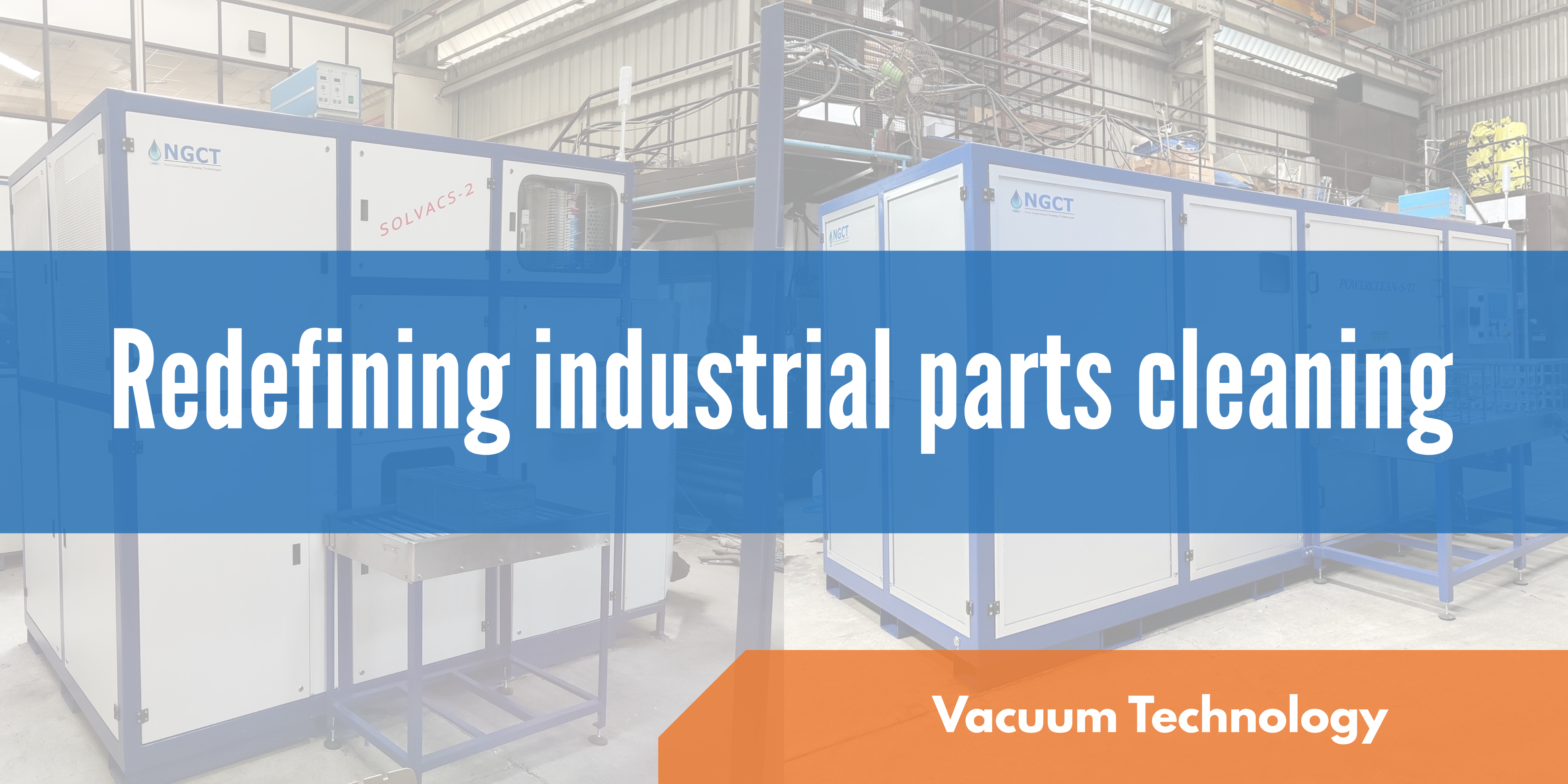
A single-chamber aqueous parts cleaning system is exactly what it sounds like. One chamber where all cleaning occurs sequentially within a closed chamber. Parts are placed in a basket and loaded into a chamber for processes like spraying, ultrasonic cleaning, immersion flood wash, rinsing, hot air / vacuum drying which are all done in the same chamber with or without basket rotation. The processes parameters are chosen depending on the cleaning results required and the complexity of the parts.
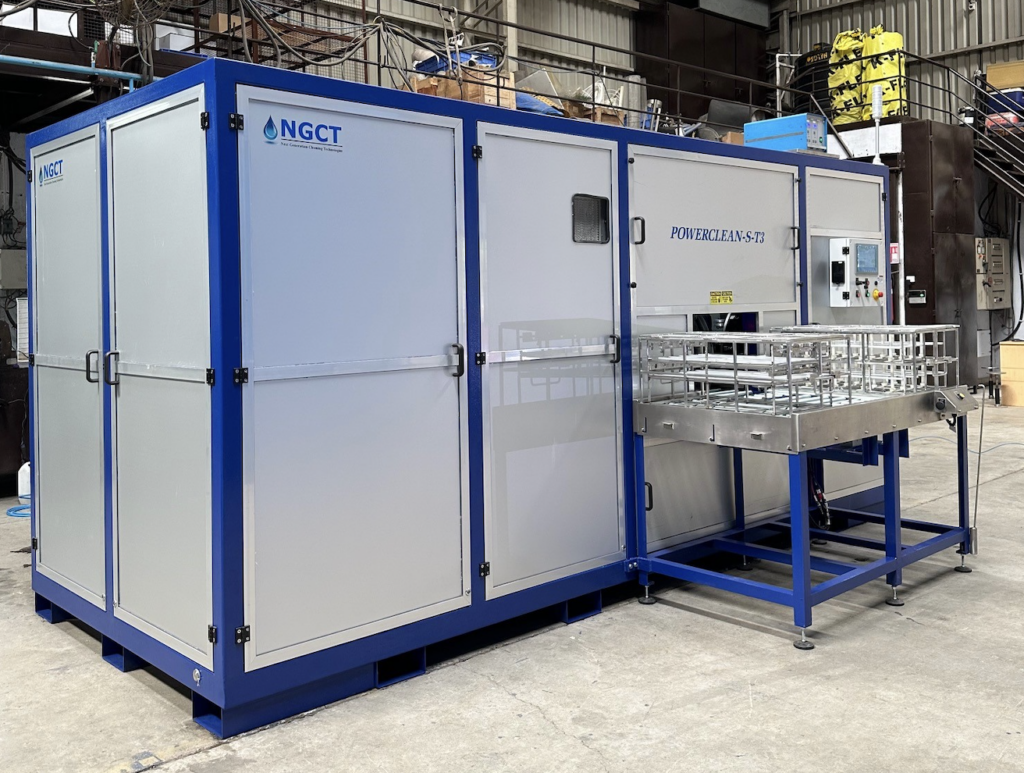
Modern Single-Chamber Systems allow:
- Independent control of process time, temperature, ultrasonics, and drying.
- Basket rotation or tilting to improve exposure on complex geometries.
- Programmable recipes via PLC/HMI interfaces for repeatable results.
Pros of Single-Chamber Systems:
- Cost-effective: Lower initial investment and simpler maintenance.
- Compact design: Perfect for smaller facilities or limited floor space.
- Easy to operate: Fewer moving parts make control and maintenance easy.
Cons:
- Longer cycle times: Sequentially run processes are more time consuming.
- Lower throughput: Less suitable for high-volume production.
These systems are ideal for small batches, light contamination, and facilities prioritizing budget and space efficiency.
What is a Multi-Chamber multi-process Aqueous System?
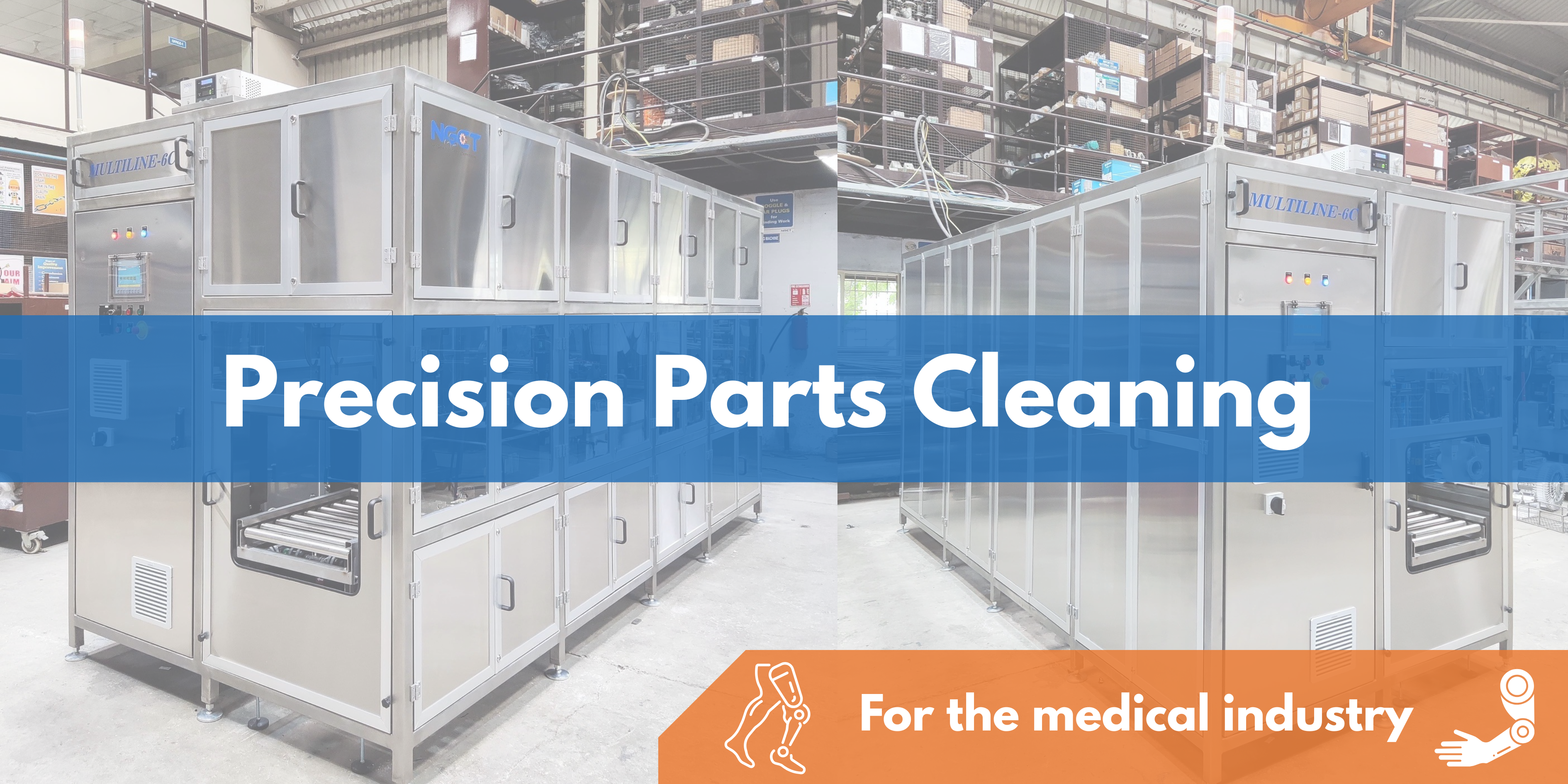
A multi-chamber system uses several chambers, each dedicated to a different stage of processes like pre-wash, main cleaning, rinse, ultrasonic, hot air blow and Vacuum drying. Parts are transferred automatically through each chamber, allowing for a more controlled cleaning process.
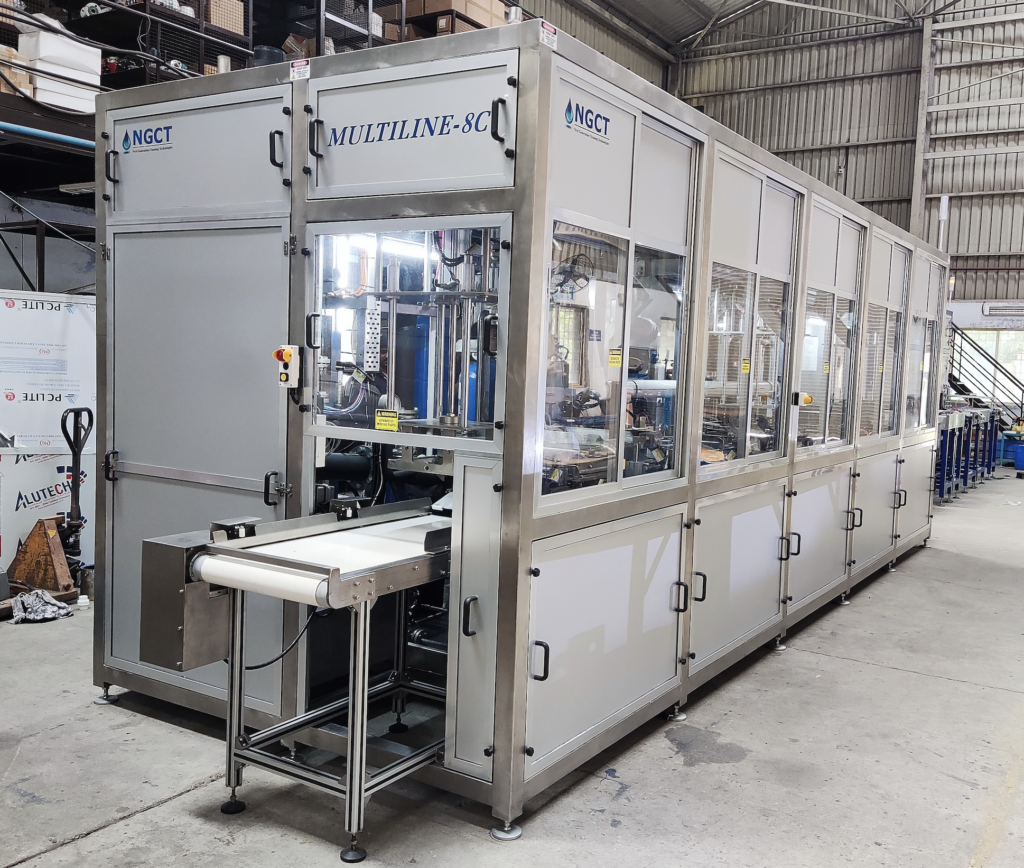
Pros of Multi-Chamber Systems:
- Superior performance since each stage is separate, reducing cross-contamination
- High throughput: Continuous operation increases efficiency for batches with smaller cycle time.
- Flexible process control: Each chamber can be tailored with specific temperatures, chemistries, and agitation settings.
Cons:
- Higher cost: More chambers with accessories for each stage, handling system, etc. require a bigger investment.
- Larger footprint: More space is needed for installation.
- Complex maintenance: More moving components require regular maintenance
These machines are ideal for high-volume production, heavy contamination, or critical cleaning applications where precision is key.
Key differences between single-chamber and multi-chamber systems
| Factor | Single-chamber | Multi-chamber |
| Volume | Low | High |
| Space | Small footprint | Requires more space |
| Budget | Lower cost | Higher investment |
| Throughput | Slower | Faster/ continuous |
How to choose the right aqueous cleaning system?
Selecting the right system depends on more than just cleaning performance. Key considerations include:
- Production volume and task time
- Contamination type and severity
- Part geometry, material, and weight
- Available floor space
- Budget and long-term scalability
In many cases, manufacturers begin with advanced single-chamber systems to achieve flexible, high-quality cleaning, then transition to multi-chamber lines as production volumes increase.
Final thoughts
Choosing between a single-chamber and multi-chamber aqueous cleaning system is a strategic decision that impacts operational efficiency, product quality, and future growth.
Single-chamber systems offer flexibility, compact design, and cost efficiency for low to medium volumes, while multi-chamber systems deliver unmatched throughput and consistency for high-volume, critical cleaning applications.
At NGCT, we design and deliver aqueous cleaning solutions tailored to your production requirements, ensuring optimal performance today, with scalability for tomorrow.