In defence and aerospace, a component failure is rarely just a cost problem. In fact, it can mean anything from a grounded aircraft, and an artillery misfire, to a failed mission that cannot be undertaken again. Both industries operate with zero tolerance for error, and one of the most overlooked contributors to that error is also one of the hardest to see: residual contamination on precision parts. A part can pass every dimensional and material check and can still fail in the field if it is not decontaminated/cleaned at a microscopic level. As tolerances tighten and platforms grow more complex, cleanliness has stopped being a finishing step and has instead become a design requirement in its own right.
Why are the stakes higher in these industries than anywhere else?
Every precision industry cares deeply about particulate contamination, but defence and aerospace carry a few pressures that others do not.
Failure is not an option, literally
A contaminated fuel injector in a car is an inconvenience. A contaminated hydraulic valve in an aircraft, or a particle lodged in a detonator shell, is a safety event. These industries design for worst-case scenarios, and cleanliness must be engineered to the same standard as everything else on the part.
The operating environments are extreme
Turbine and jet engine parts run at high temperatures and rotational speeds where even sub-micron particles can behave like abrasive grit, accelerating wear on surfaces that were never meant to be touched again after assembly. Hydraulic and brake systems depend on tight clearances that a stray particle can disrupt instantly, causing sticking valves, erratic pressure, or seal damage.
Contamination behaves differently in ammunition and ordnance
For cartridges, jacketed bullets, and detonator shells, contamination is not only a mechanical concern but can also be a chemical and safety one. Residual oils, metal fines, or moisture on a shell casing can interfere with propellant performance or initiate unwanted reactions. There is no room for “close enough” in a component designed to function under explosive load.
Traceability and compliance are built into the process
Defence and aerospace programs are audited. Cleanliness is not just something you do, it is something you have to prove with repeatable, documented results tied to recognised standards like ISO 16232 and VDA 19.
Where traditional cleaning falls short
Manual wiping, basic rinsing, and generic solvent dip baths were never designed for today’s tolerances. They struggle to remove particles below 100 microns, and they routinely miss the contamination management systems. Part geometries of parts used in defence and aerospace have blind holes in turbine components, internal channel in hydraulic fittings, crimped surfaces on cartridges, and engine parts. A process that looks clean to the eye can still leave exactly the kind of contamination that causes field failures.
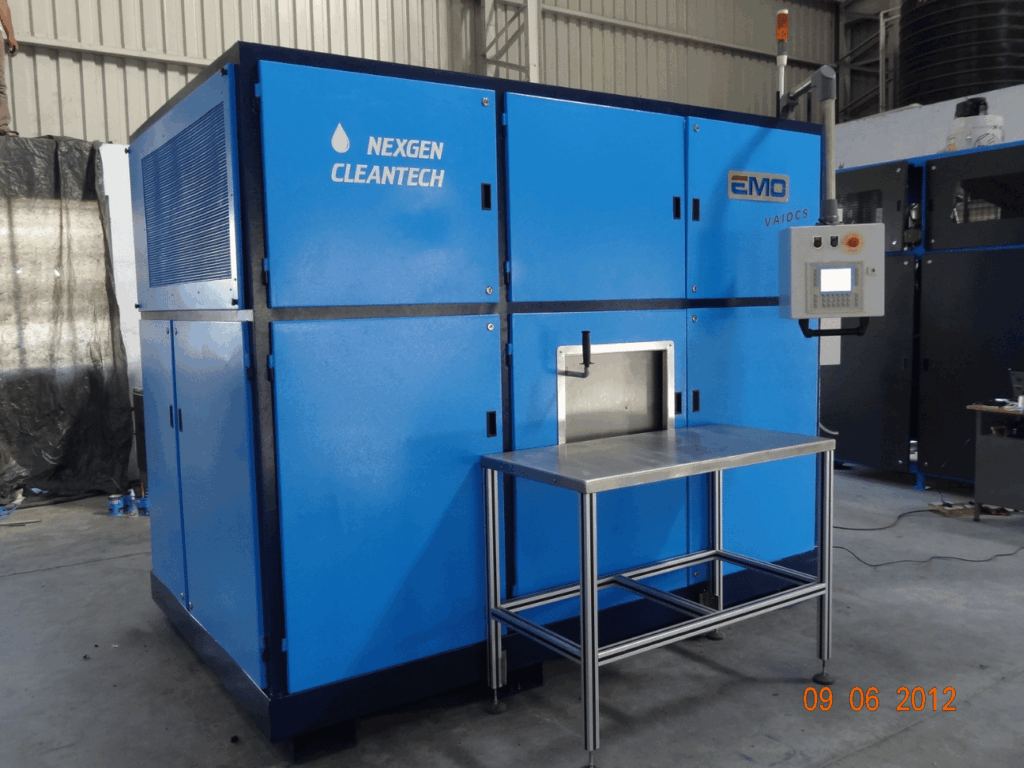
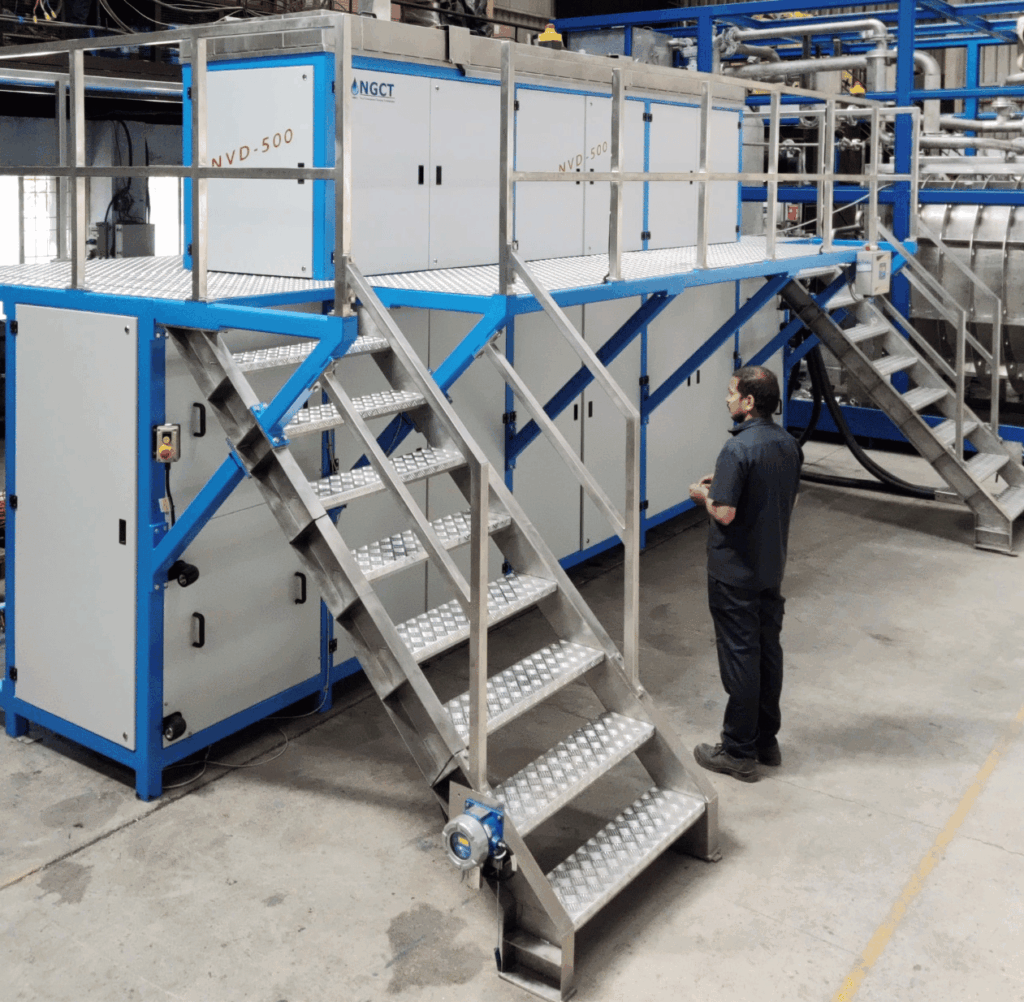
This is why cleaning systems with proven cleanliness and repeatability track records have become essential rather than optional for these sectors. Advanced aqueous and solvent-based systems like those engineered by NGCT Cleansys, are built to reach complex internal geometries, remove ultra-fine particulate matter, and deliver the same result on the thousandth part as it does on the first.
Cleanliness as a measurable, auditable standard
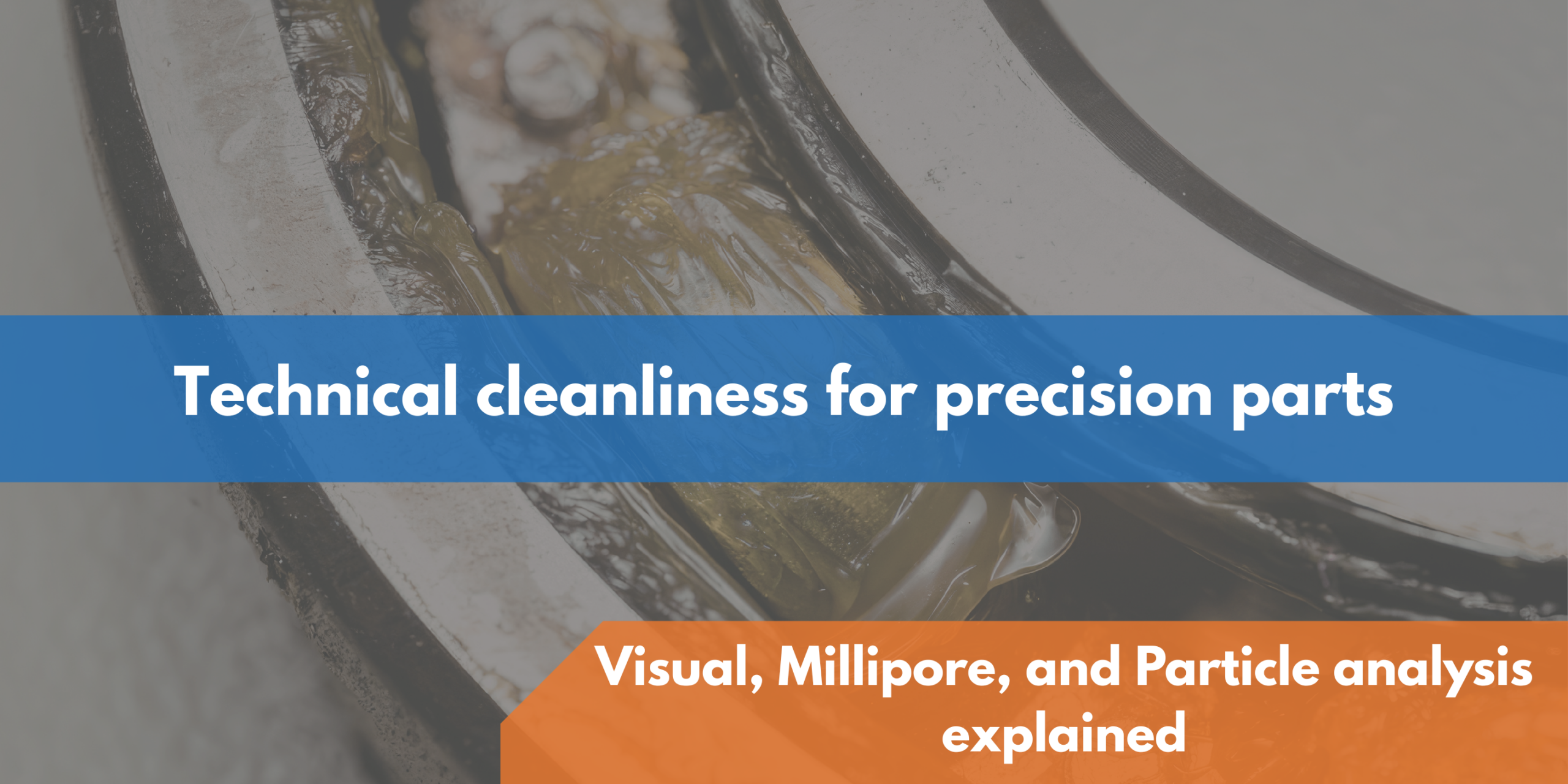
Cleanliness in these industries must be demonstrated and not assumed. That means “Technical Cleanliness Analysis” testing methods such as Millipore analysis, particle contamination analysis, Scanning Electron Microscope analysis and surface tension measurement, carried out in a lab that meet ISO 16232 and VDA 19 standards. These tests give manufacturers a documented, quantifiable answer to the question that matters most on a defence or aerospace program; “How do you know it is clean?”
Building cleanliness into the process, not bolting it on
Getting this right takes more than a good cleaning machine, it requires:
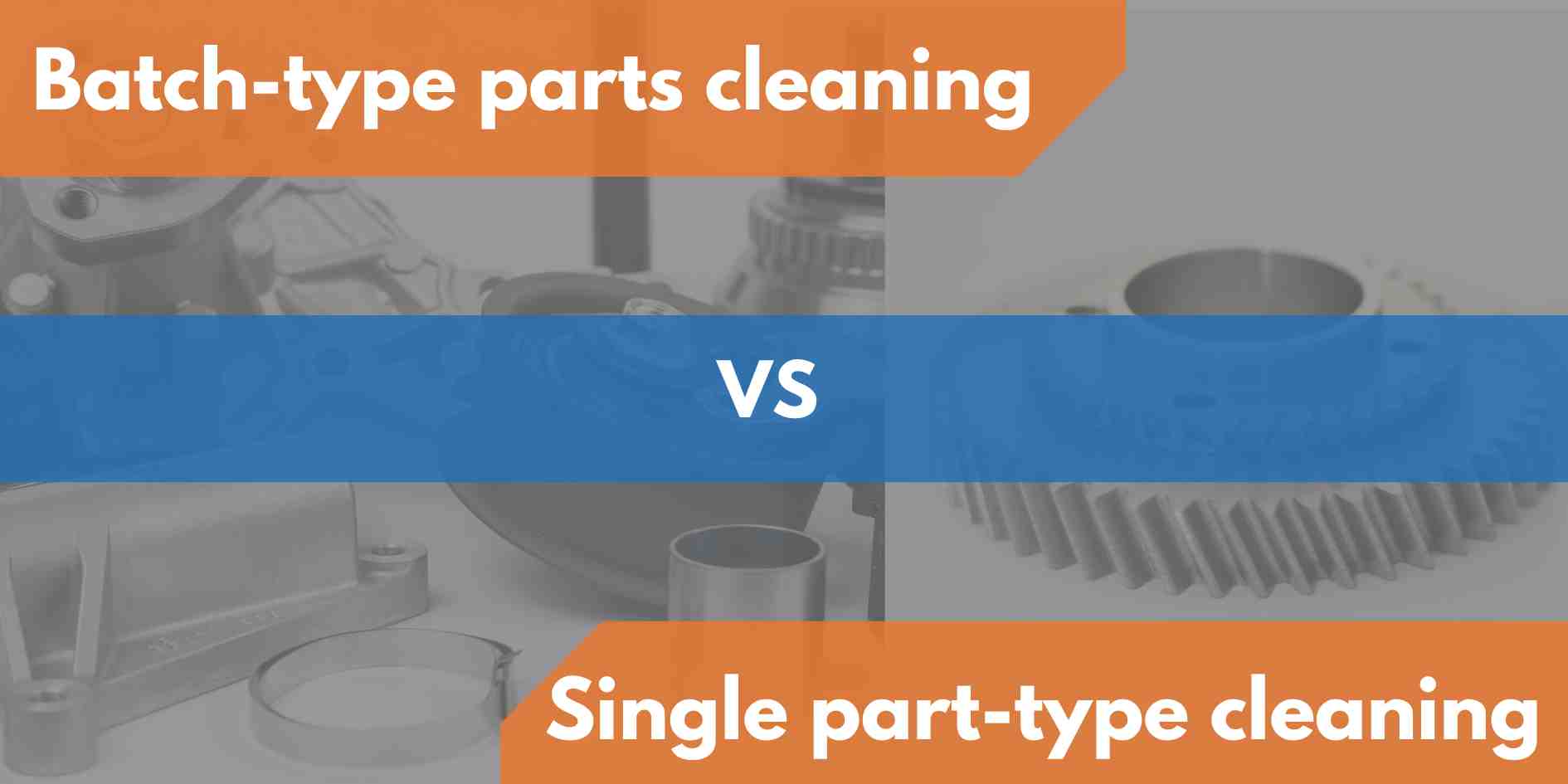
- Cleaning systems and processes that match the part’s geometry, whether that is. Turbine blade, a hydraulic manifold, detonator shell, or jet engine parts.
- Regular particle and cleanliness testing against defined specification limits.
- Controlled handling, packaging, and storage, so a part cleaned to spec does not pick up contamination before it reaches assembly.
- Documentation that can stand up to program audits and customer review.
- Clean room installations that ensure no foreign particles contaminate the parts.
Even a well-cleaned part can be compromised by a dusty staging area or an ungloved hand further down the line, so the process has to controlled end to end.
The next competitive edge in defence and aerospace manufacturing
Design engineering, material science, and process control have been optimised for decades. Cleanliness is one of the few remaining variables where a manufacturer can still create a real reliability advantage, simply by treating it with the same rigour as everything else on the part. In defence and aerospace, cleanliness is not a cosmetic standard, it is a performance and safety standard, which has to be proven and not assumed.
As platforms grow more complex and tolerances become tighter, the manufacturers who win long-term programs will be the ones who can prove cleanliness on demand. NGCT’s precision cleaning systems are built for delivering validated, repeatable cleanliness that protects both the mission and the manufacturer’s reputation.